
The Difference Between Traditional Stucco and Synthetic (EIFS)
People searching for the difference between traditional stucco and synthetic (EIFS) often want to choose the right finish; local contractors can help determine which option best suits their needs.
If you’re exploring exterior finishing options for a property, understanding the difference between traditional stucco and synthetic (EIFS) can help make informed decisions. Both types of exterior cladding offer durability and aesthetic appeal, but they differ significantly in their composition, installation process, and performance characteristics. Property owners in the area who are considering stucco may find it valuable to learn how these options compare, especially when it comes to factors like insulation, maintenance, and overall appearance. Local contractors specializing in stucco installation can provide insights into which material best suits specific building needs, ensuring a long-lasting and visually appealing exterior.
Continuing to explore this topic can reveal practical advantages and considerations that influence the choice between traditional stucco and synthetic (EIFS). While traditional stucco has a proven track record and a natural look, synthetic options often provide enhanced insulation and flexibility in design. Property owners seeking to improve energy efficiency or achieve a modern finish might find that working with experienced service providers ensures the right application for their property. Whether updating an existing exterior or planning a new project, understanding these differences helps in selecting the most suitable stucco system and connecting with local experts who can bring that vision to life.
- Traditional stucco installation services are ideal for homeowners seeking a durable, classic exterior finish and require experienced local contractors to handle the application process. Synthetic (EIFS) stucco installation is often chosen for its energy efficiency and versatility, with local service providers specializing in seamless, insulated wall systems. When a property needs a repair or upgrade that maintains a traditional aesthetic, local pros can recommend the appropriate stucco type based on the building’s needs. For new construction or renovation projects, local contractors can advise on whether traditional or synthetic stucco best suits the design and performance goals. Both types of stucco installation require skilled local service providers to ensure proper application and long-lasting results.
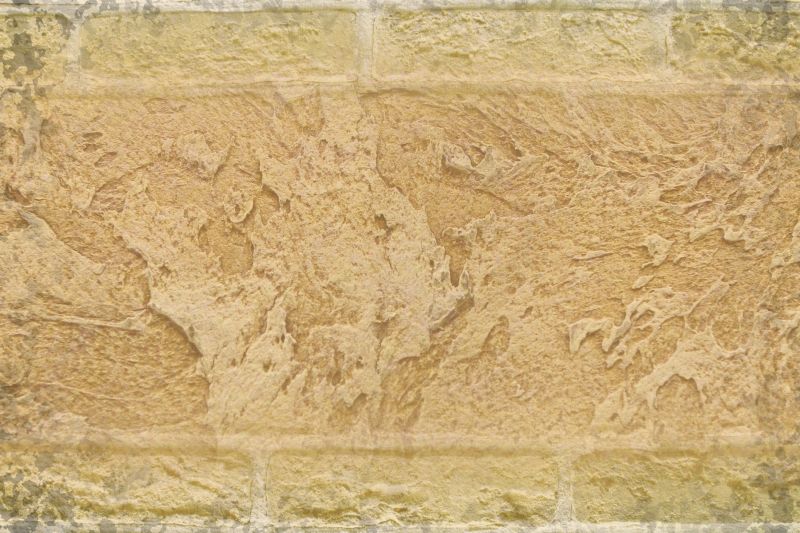
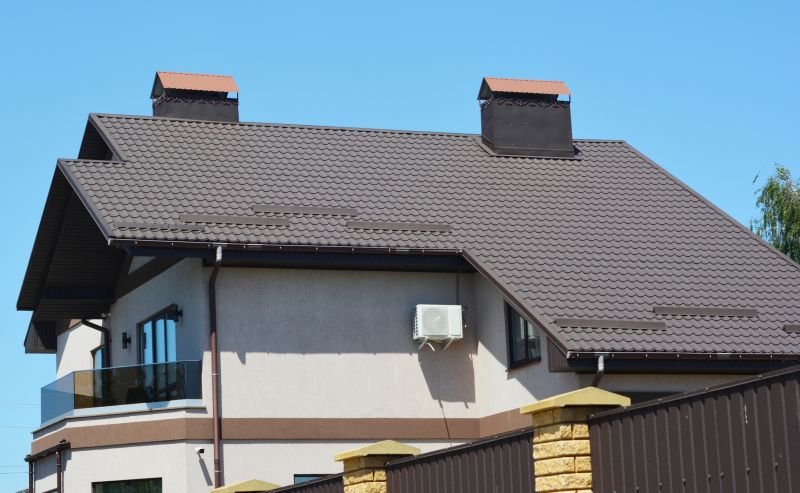

When homeowners search for information about the difference between traditional stucco and synthetic (EIFS), they are often trying to understand which exterior finish best suits their property’s needs. This topic typically arises during planning or renovation projects involving exterior wall finishes, especially when considering durability, appearance, and long-term maintenance. Many are looking for options that can enhance curb appeal while providing effective weather resistance. Understanding these differences helps homeowners make informed choices about materials and installation methods, which can impact the overall look and longevity of their property.
The comparison between traditional stucco and synthetic (EIFS) is closely linked to various property concerns and renovation plans. Traditional stucco, made from cement, sand, and water, has been used for centuries and is valued for its solid, textured finish. Synthetic EIFS, on the other hand, is a modern, lightweight alternative that provides a smooth or textured surface with added insulation benefits. Homeowners often explore these options when addressing issues like improving energy efficiency, reducing maintenance needs, or updating an aging exterior. Knowing the strengths and limitations of each type can influence decisions about repairs, new installations, or upgrades for residential and commercial properties.
The types of properties that typically come up in discussions about traditional stucco versus synthetic (EIFS) include single-family homes, apartment complexes, retail storefronts, and office buildings. Many of these structures feature exterior walls that require durable, weather-resistant finishes. For homeowners, the focus might be on residential properties that need aesthetic updates or increased insulation. Commercial property owners may look into EIFS for its versatility and energy-saving potential. Local service providers who specialize in stucco installation and repair often work with a variety of property types, helping clients choose the most suitable material based on the building’s design, location, and intended use.
Understanding the differences between traditional stucco and synthetic (EIFS) helps homeowners connect with local contractors who can guide them through the selection and installation process. While traditional stucco offers a classic, textured appearance with proven durability, EIFS provides a lightweight, flexible system that can incorporate insulation and create a sleek finish. Homeowners should consider their property’s specific needs, such as climate considerations or aesthetic preferences, when exploring these options. Local pros experienced in both materials can assess the project, recommend the best solution, and ensure proper installation, making it easier for homeowners to achieve the desired exterior finish that meets their goals and enhances their property’s value.
Exterior wall cladding projects - professionals experienced in traditional or synthetic stucco can handle various exterior wall cladding projects, ensuring proper surface preparation and application techniques.
Insulation and EIFS installation - since synthetic stucco (EIFS) often includes insulation layers, local service providers skilled in insulation upgrades can integrate these systems effectively.
Architectural detailing and decorative finishes - contractors familiar with stucco materials can assist in creating decorative elements and textured surfaces that complement both traditional and synthetic systems.
Repair and restoration work - specialists in stucco repair can address cracks, damage, or deterioration in existing traditional or synthetic stucco exteriors to restore their appearance and durability.
Waterproofing and weatherproofing projects - local pros with experience in stucco systems can install or upgrade weather barriers to protect buildings from moisture intrusion.
Interior plaster and wall finishing services - skills used in exterior stucco applications are often applicable to interior plastering, providing smooth or textured wall finishes indoors.

When evaluating contractors for traditional or synthetic stucco installation, it’s important to consider their experience with similar projects. Homeowners should inquire about the types of stucco work they’ve completed in the past, especially projects involving the specific differences between traditional stucco and synthetic (EIFS). Contractors who have handled a variety of applications are more likely to understand the unique considerations for each system, such as material compatibility, application techniques, and potential long-term performance. Requesting examples of completed work or references can help gauge their familiarity with the nuances of these systems, ensuring that the chosen service provider has a solid track record in delivering quality results.
Clear, written expectations are essential when selecting a contractor for stucco work. Homeowners should seek detailed proposals that outline the scope of work, materials to be used, and the installation process. This documentation helps prevent misunderstandings and provides a basis for comparing different service providers. Understanding what is included-and what is not-can clarify how each contractor plans to address the specific requirements of traditional versus synthetic stucco systems. Well-defined expectations also enable homeowners to assess the professionalism and transparency of the contractor, which can be a strong indicator of their ability to deliver satisfactory results.
Reputable references and good communication are key factors in choosing a local contractor for stucco installation. Homeowners should ask for references from past clients who had similar projects, especially those involving the differences between traditional stucco and synthetic (EIFS). Talking to previous customers can reveal insights into the contractor’s reliability, attention to detail, and how effectively they communicate throughout the project. Additionally, a contractor’s responsiveness and willingness to answer questions can reflect their professionalism and commitment to customer satisfaction. Prioritizing service providers who demonstrate clear communication and a history of positive references can help ensure the project proceeds smoothly and meets expectations.
Get a Quote for Traditional Or Synthetic Stucco Installation
Property owners often search for the difference between traditional stucco and synthetic (EIFS) when they are planning practical projects around their homes and businesses. Local pros provide Traditional or Synthetic Stucco Installation services for everyday jobs and straightforward project options.
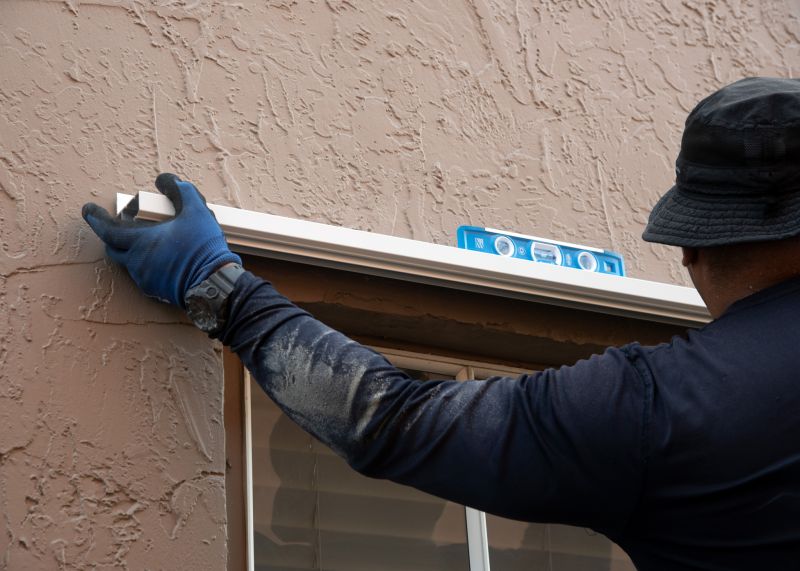

The difference between traditional stucco and synthetic (EIFS) is often a key consideration for property owners planning exterior updates or repairs. Traditional stucco is a cement-based material applied in multiple coats directly onto the building’s surface, providing a durable and textured finish that has been used for decades. It’s known for its long-lasting nature and ability to withstand various weather conditions, making it a popular choice for many homes and commercial buildings. Synthetic (EIFS), on the other hand, is a more modern option that involves a layered system with foam insulation boards covered by a protective finish. This approach allows for more flexibility in design and better insulation properties, which can help improve energy efficiency.
Homeowners in the area researching these options often want to understand which type best suits their project needs. Local contractors who specialize in stucco installation can help evaluate the specific requirements of a property, such as climate considerations, aesthetic preferences, and maintenance expectations. Whether choosing traditional stucco for its proven durability or synthetic (EIFS) for its insulation benefits and design versatility, property owners can rely on experienced service providers to handle the installation process efficiently. Connecting with local experts ensures that the chosen material is properly applied, helping to achieve a finished look that complements the property’s style while providing long-term performance.
Get a Quote for Traditional Or Synthetic Stucco Installation
What is the main difference between traditional stucco and synthetic (EIFS)? Traditional stucco is a cement-based material applied in multiple layers, while synthetic (EIFS) is a polymer-based system that offers a smoother finish and better insulation properties. Local contractors can help determine which option suits specific building needs.
How do traditional stucco and synthetic (EIFS) compare in durability? Traditional stucco is known for its long-lasting, weather-resistant qualities, whereas synthetic (EIFS) can be more flexible and better at resisting cracking. Service providers can advise on the best choice based on local climate conditions.
Are there differences in appearance between traditional stucco and synthetic (EIFS)? Yes, traditional stucco typically has a textured, rough finish, while synthetic (EIFS) tends to have a smoother, more uniform surface. Local pros can help achieve the desired aesthetic with either system.
Which type of stucco is easier to repair: traditional or synthetic (EIFS)? Traditional stucco repairs generally involve patching and reapplying layers, while synthetic (EIFS) repairs may require specialized techniques to maintain seamlessness. Professional service providers can perform repairs efficiently for both types.
Can local contractors install both traditional stucco and synthetic (EIFS)? Yes, many service providers are experienced in installing both systems, allowing homeowners to choose the best option based on their preferences and building requirements.
Understanding material differences - Property owners can explore how traditional stucco and synthetic (EIFS) differ in durability and appearance when planning exterior updates with local contractors.
Choosing the right application method - Deciding whether to use traditional or synthetic stucco can influence installation techniques, which local service providers can help determine based on project needs.
Assessing climate suitability - Property owners might consider how each stucco type responds to local weather conditions, with local pros advising on the best choice for longevity.
Matching aesthetic goals - When updating facades, understanding the visual and textural differences between traditional and synthetic stucco helps in selecting the style that enhances the property's look.
If you are thinking about the difference between traditional stucco and synthetic (EIFS) for a property, this guide is meant to help you understand this topic, the typical project types, and how different options might fit your plans.
When you are ready, you can use the quote form on this page to share a few details about your project. From there, local pros can review the basics and follow up with options that match what you have in mind.
Get a Quote for Traditional Or Synthetic Stucco Installation